If your building has gone through a milestone inspection and a Structural Integrity Reserve Study (SIRS), and the report flags corrosion or deterioration in your railings or facade metal systems, that’s a normal place for a board to feel a little lost. This guide breaks down what that kind of finding actually means, and what a board or property manager should do next.
What a Structural Integrity Reserve Study Looks At
Since Florida passed SB-4D following the Surfside collapse, many condominium buildings are now required to complete a structural assessment alongside their milestone inspection. As part of that process, a licensed engineer reviews the building’s major structural components including exterior systems attached to the building envelope, like railings and architectural metal facades and the board has to plan and fund reserves for their eventual repair or replacement. Exact timelines and requirements vary by building, so it’s worth confirming the specifics with your engineer rather than relying on a general rule of thumb.
Why Railings and Facade Metals Often Show Up in These Reports
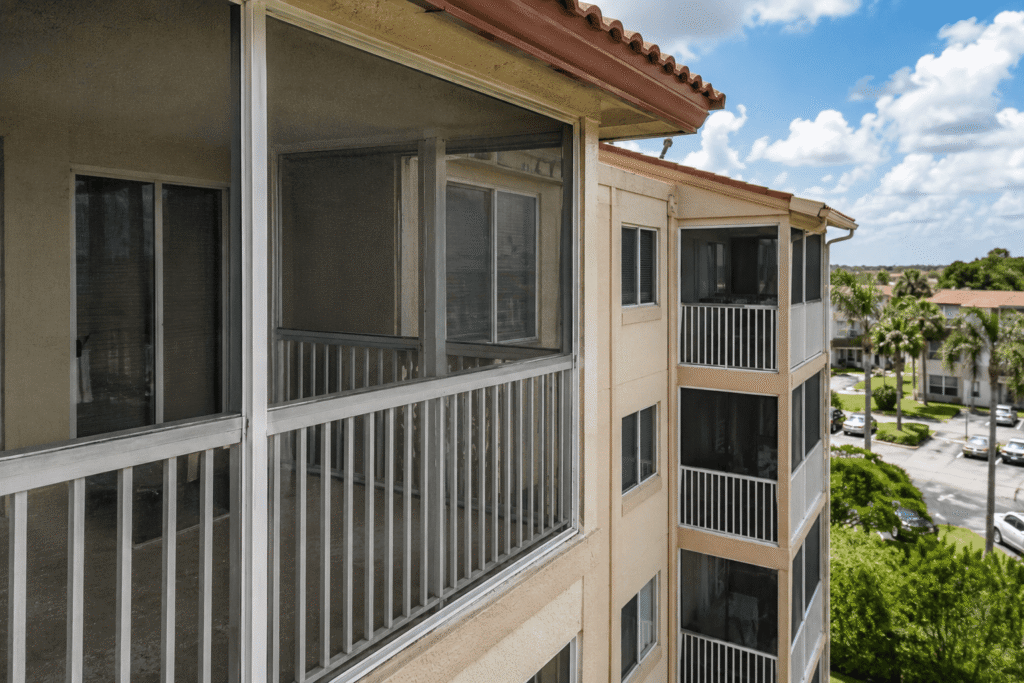
These systems are attached to, or penetrate, the building envelope and are exposed to salt air continuously. Corrosion at anchors and fasteners often starts well before there’s any visible damage on the surface which is exactly why these systems come up so often in inspection findings.
What to Do If Your Report Flags Corrosion or Deterioration
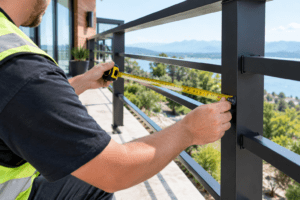
- Get a more detailed engineering assessment if the report doesn’t spell out the severity
- Understand whether the issue is isolated or building-wide
- Talk to a metals specialist about repair vs. replace options before your board finalizes the reserve budget
Repair or Replace: What Determines the Right Call
It generally comes down to two things: how extensive the damage is, and how the existing system compares to its expected service life. Localized fastener corrosion in an otherwise sound system can often be repaired. Widespread corrosion, a history of repeated repairs, or a system installed before current standards were in place usually point toward full replacement being the more cost-effective option over your building’s next reserve cycle.
Planning and Budgeting for a Building-Wide Replacement
Because these systems typically cover an entire building envelope rather than a single unit, replacement is planned and budgeted at the building level coordinated through the association’s reserve study, not as an individual owner expense.
How Alenac Metals Supports Boards Through This Process
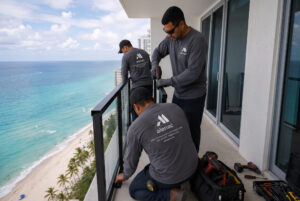
Alenac isn’t in the business of writing SIRS reports or performing milestone inspections we help boards act on what those reports find. Once a report identifies deterioration in railings or facade metal systems, we coordinate with your engineer and handle the manufacturing and installation of the replacement system, engineered for your building’s specific wind zone and exposure. That keeps your documentation in place for future SIRS reporting and puts your building in a stronger position at the next required review.
Frequently Asked Questions
What is a Structural Integrity Reserve Study?
It’s a required assessment for many Florida condo buildings that looks at major structural systems including railings and facade metals so the board can plan and fund future repairs. Requirements vary by building, so it’s best to confirm specifics with your engineer.
Does a Structural Integrity Reserve Study include railings and facade metals?
Yes. Exterior systems attached to the building envelope, including railings and architectural metal facade components, are typically evaluated as part of the review.
How do boards decide between repairing and replacing railings or facade metals after a finding?
It comes down to the extent of the damage and the age and condition of the existing system. Isolated issues can often be repaired, while widespread corrosion or outdated systems typically point toward full replacement.
How can Alenac help after a report identifies deterioration?
From coordinating with your engineer through manufacturing and installing a new system sized to your entire building.
Concerned About the Condition of Your Railings?
Whether your building is approaching a milestone inspection or you’re seeing signs of corrosion, movement, or recurring repairs, our team can help evaluate your railing system and recommend the most practical path forward.
Call us at (561) 877-4109 or email [email protected] to schedule a property assessment.