When a condominium board or property manager budgets for a railing replacement, the decision usually comes down to two options: glass railings or aluminum picket railings. Both are durable, code-compliant, and low-maintenance compared to older wood or wrought-iron systems. But they don’t deliver the same return.
The right choice depends on what “value” means for your specific property resale price, rental appeal, maintenance budget, or simple compliance with a tight capital reserve. Below is a side-by-side look at how each system performs across the factors that actually matter to a board or ownership group in South Florida.
Glass Railings: Built for View-Driven Properties
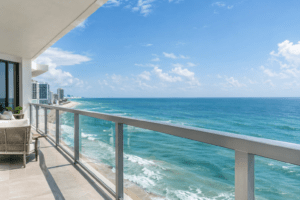
Glass railings whether framed or frameless are the system of choice for waterfront, intracoastal, and high-rise properties where the view is the asset. Unlike picket systems, glass panels create an unobstructed sightline from the unit interior straight through to the water or skyline, which is precisely what buyers and tenants are paying a premium for.
A good example is The Halcyon Condominium in Palm Beach, where Alenac installed a custom glass railing system with bronze-finished aluminum framing. The design was selected to preserve unobstructed ocean views while giving the building a contemporary appearance and long-term performance in South Florida’s coastal environment.
Agregar una foto de The Halcyon (buscarla en el link del portafolio)
Agregar un backlink to the case study of The Halcyon
Where glass railings win:
- Perceived value on view units. Industry data on waterfront and view-oriented properties shows glass railing retrofits can add measurable resale value specifically because they preserve sightlines that traditional railings block a factor that matters more in coastal Florida than almost anywhere else in the country.
- Modern curb appeal. Glass reads as a contemporary, high-end finish, which matters for boards trying to reposition an older building or compete with newer developments nearby.
- Wind performance. Framed glass panels act as a partial wind break on exposed balconies, which residents in oceanfront buildings often notice immediately.
- No sightline obstruction for HOA architectural reviews. Many associations prefer glass specifically because it keeps balcony fronts visually uniform from the street or beach side.
Trade-offs to plan for:
- Higher upfront cost per linear foot than picket systems.
- Requires more frequent cleaning to stay smudge-free (a factor property managers should build into janitorial contracts).
- Structural engineering and product approvals (Miami-Dade NOA / Florida Product Approval) are non-negotiable for coastal wind-load zones — this isn’t a system to source from an uncertified fabricator. See our aluminum railing systems page for the code and wind-load standards we build to.
Picket Railings: Built for Long-Term, Low-Drama ROI
Aluminum picket railings remain the workhorse of condominium and multifamily railing replacement and for buildings without a direct water view, they’re frequently the smarter financial decision.
For example, at Brigadoon Condominium in Juno Beach, Alenac manufactured and installed white aluminum picket railings designed to complement the building’s coastal architecture. The system delivered a clean, traditional appearance while providing the corrosion resistance and long-term durability required for a beachfront environment.
Agregar una foto de Brigadoon (buscarla en el link del portafolio)
Agregar un backlink to the case study of Brigadoon
Where picket railings win:
- Lower cost per linear foot, which matters enormously on large-scale projects covering hundreds of balconies across a condominium complex.
- Faster installation timelines, reducing labor cost and shortening the disruption window for residents (a factor we cover in detail in our guide on planning a balcony renovation without disrupting residents).
- Minimal maintenance, a hose-down and occasional inspection is typically all that’s required, versus the more frequent glass cleaning cycle.
- Proven long-term durability. Powder-coated aluminum picket systems resist corrosion in coastal salt air far better than steel or wood, which is a major reason they remain the default spec for South Florida condominiums. Our post on railing maintenance and durability breaks down what that upkeep actually looks like over a 20-year horizon.
Trade-offs to plan for:
- Vertical pickets do obstruct part of the view, a real consideration for oceanfront and intracoastal units where the view drives unit pricing.
- On a strictly aesthetic basis, picket systems read as more traditional than glass, which may or may not fit a building’s repositioning strategy.
So, Which Actually Generates More Value?
There isn’t a universal answer but there is a clear rule of thumb that applies across most South Florida properties:
Glass railings tend to generate more value on units where the view is the primary selling or renting point oceanfront, intracoastal, high-rise skyline units, and any property competing on aesthetics against newer construction. The added property value in these cases can be substantial when the alternative is a railing system that visually blocks the very feature buyers are paying for.
Picket railings tend to generate more value on standard condominium and multifamily buildings without a water or skyline view, where the “value” that matters most to the board is durability per dollar spent, low ongoing maintenance, and a faster, less disruptive installation across dozens or hundreds of units.
A hybrid approach is common and often the most cost-efficient path. Many associations specify glass on street-facing or water-facing elevations and picket on interior-facing or less visible elevations capturing the ROI of glass where it matters and controlling cost where the view isn’t a factor. This is a conversation worth having with your fabricator before finalizing a spec, since post systems, top-rail finishes, and mounting details need to be planned to look cohesive across both materials.
What to Factor Into the Decision
Before your board votes on a system, walk through these questions:
- Does this elevation face water, a skyline, or a golf course? If yes, weight the decision toward glass.
- How many linear feet are involved? Large-scale replacements (100+ units) amplify the cost gap between glass and picket run both numbers before presenting to ownership.
- What does your reserve study allow for? If your building is completing a Structural Integrity Reserve Study (SIRS) alongside a milestone inspection, railing replacement costs need to be reconciled with the broader capital plan, not decided in isolation.
- Who maintains the system after installation? Confirm with your property management company whether their janitorial scope covers glass cleaning frequency, or whether that needs to be renegotiated.
- Is the fabricator certified for your wind zone? Coastal Florida properties need documented product approvals, ask to see them before signing a contract.
FAQ
Do glass railings really increase property value more than picket railings? On view-driven properties waterfront, intracoastal, or high-rise units yes, industry data consistently shows glass outperforms picket railings on resale and rental appeal because it preserves sightlines. On standard properties without a view to protect, picket railings often deliver better return per dollar spent due to lower installation and maintenance costs.
Are glass railings more expensive to maintain long-term? They require more frequent surface cleaning to stay smudge-free, but the structural components (aluminum frame, tempered glass) are comparably durable to picket systems and resist corrosion equally well when properly fabricated and installed.
Can we mix glass and picket railings on the same building? Yes. A hybrid approach glass on water- or street-facing elevations, picket elsewhere is a common and cost-effective strategy for larger condominium associations.
What certifications should our fabricator have for coastal Florida installations? Look for Miami-Dade County Notice of Acceptance (NOA) or Florida Product Approval documentation confirming the system meets high-velocity hurricane zone wind-load requirements.
Ready to Evaluate Your Railing Replacement Project?
Whether you’re planning a full condominium renovation, replacing aging railings, or comparing glass and aluminum picket systems, our team is here to help. With more than 30 years of experience serving South Florida condominiums and HOAs, Alenac provides expert guidance from product selection through engineering, fabrication, and installation.
Call us today (561) 877-4109 to discuss your project or email us directly at [email protected] to schedule a consultation. We’ll help you determine the best railing solution for your property, budget, and long-term maintenance goals.